The Internet is dead. Long live the Internet!

The rise of the Agentic Internet

Join Us!
World

The world is an API

We want agents -- computers, in other words -- to interact with the real world. They do so via APIs. And so do humans who want to interact with the real world via computers.

In other words -- as soon as computers are in play it makes sense thinking about the world as an API. There is some deeper reality behind this API, but as far as the computer is concerned it is the API.

Which has some interesting philosophical implications, but we will leave that for another day.
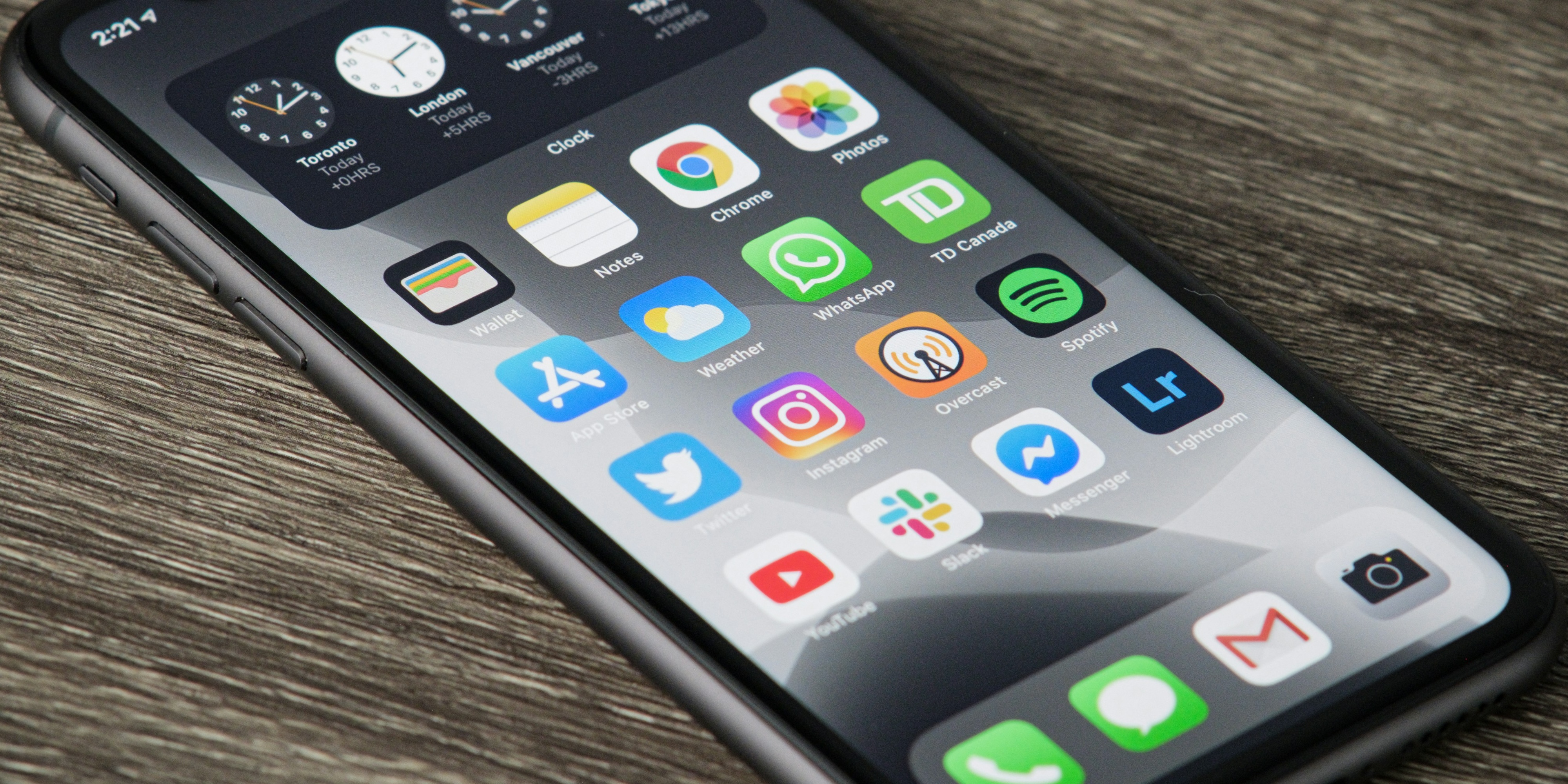
Phone with apps

Websites and Apps

The world is an API. Websites and apps wrap this API. They are a user interface wrapper for the world API.

In fact, websites and apps provide a user interface for a certain part of the world API, chosen by the developer, with processes based on a mental model of the world created by the developer.

The resulting structure, frozen into buttons and menus, and accessed via mouse or keyboard, is a poor representation of the underlying world. We are used to it -- but we get a glimpse of tbe underlying problem whenever the developer chooses to change the user interface paradigm and we are lost for a while.

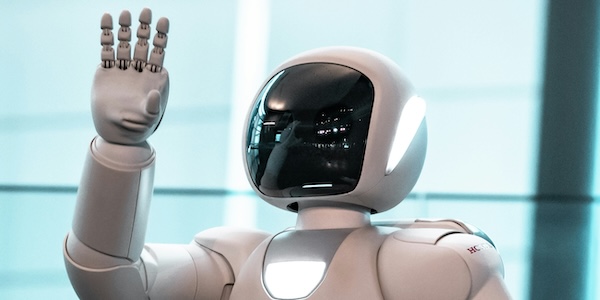
Robot 1

Agentic Internet, Stage 1

Recent developments in the AI space have not only brought us better and better LLMs, but also better and better algorithms to have LLMs create structured, validated responses.

This is a development that cannot be underestimated because it directly connects the fuzzy world of human language and thought with the structured world of computers and their APIs.

In other words -- we are finally in a position to interact with the world API in a way humans are meant to interact: we talk to it. And sometimes we use a keyboard, or a mouse, or a pencil, or image or video input if it makes communication more efficient.

It is the agent that does the translation between the human world and the world API -- and the world talks to us.

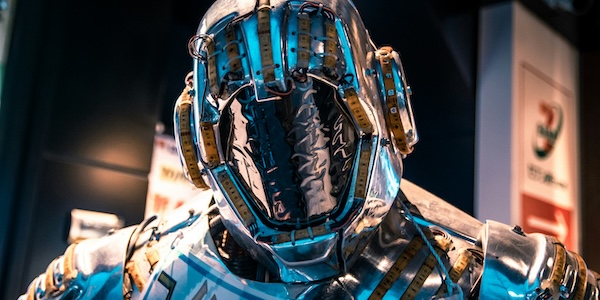
Robot 2

Agentic Internet, Stage 2

The second stage of the Agentic Internet is the stage where agents become real "agents": they operate on behalf of their principals. Us. To do that, they talk the the world API, and to other agents. And to us, of course.

Stage 2 is exciting, but also challenging. Agents need to be able to look after our money and other resources, and we need to trust them to do so. With just the right level of oversight to ensure that they do not go wild, whilst keeping friction and effort low.

This is a technical challenge, and addressing it will likely involve blockchains and tokens -- money and assets with their own world API. But of course, the real challenge is societal: how does a world work where humans outsource a lot of work and responsibilities to their agents?

Rise allegory

The Rise of the Agentic Internet

We have described the rise of the Agentic Internet in two stages -- but this is not really true. Rather, it is a continuous process that intensifies over time when we learn more.

In stage 1, most actions agents undertake on our behalf will be payments -- we order a coffee, the agent pays the bill. We book travel, the agent pays the bill. Chances are that any call to the world API will trigger a micro-payment -- at least we hope so, to move away from the ad-centered business models we've all come to hate.

The payment process will be somewhat "independent" -- the agent will have to decide whether to just pay, or how to escalate the confirmation process to ensure we really want it. This is not much different from a "private banker agent" that acts independently within the mandate discussed and regularly reviewed with the principal.

In summary -- the Rise of the Agents will be a continuous process, first slowly and then all at once.

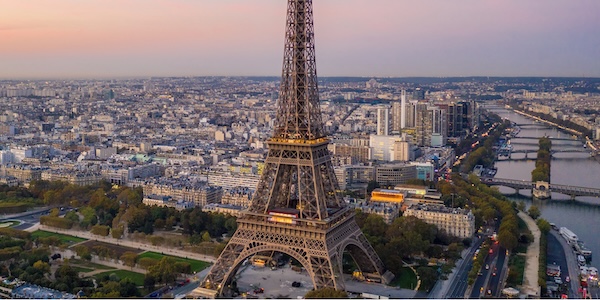
Paris

Riding a City Bike

I want to go to the Pantheon, I need a bike. Shall I get an electric one? I don't like hills.

I would go for an e-bike. There is an Uber bike close by, and city bikes about 400m away. City bikes are €2 cheaper.

City bike is fine. If there is space in the dock close to Pantheon, then please get me a code.

There is enough space. The code is 13213. If you use it, you will be charged €3.50 for the ride, plus €0.20 booking fee.

Letter

Contact Us